

SMEX Management Layer Structural Design
Designing a management structure that works in practice, not only on paper.
As organisations evolve, management structures often grow organically. Roles overlap, escalation becomes inconsistent, decisions move to the wrong level, and leadership teams can become involved in issues that should sit elsewhere. ALTEHR worked with SMEX to review and redesign its management layer, creating greater clarity around who decides, who owns, who escalates, and how different levels of management work together. The project combined organisational analysis, structural design, role clarification, governance development, and practical verification through a customised management simulation.

ORGANISATIONAL STRUCTURE.
ABOUT THE PROJECT
SMEX wanted to strengthen its organisational structure and needed to ensure that its management model could support the organisation’s next stage of development and allow for sustainability and flexibility for growth and redesign.
The work focused specifically on the management layer, looking beyond individual job descriptions to understand how leadership roles interact as a system. ALTEHR examined how decisions were being made, how responsibilities moved between management levels, where accountability sat, how information flowed, and where ambiguity or duplication could create inefficiency.
The analysis provided ALTEHR with the basis to design a clearer management architecture, defining the relationship between senior and executive management and establishing more explicit boundaries around authority, accountability, escalation, and decision-making. The final stage of the project moved the redesigned structure from theory into practice through a customised simulation designed to test how the model performs under realistic organisational conditions.
THE CHALLENGE
The challenge was not simply to redraw an organisational chart. While a management structure can appear clear on paper, its ability to operate in reality is much more difficult to accomplish. The process required answering key behavioural and technical questions:
Who should make which decisions?
What should sit at the executive level and what can be delegated further down the structure?
When should an issue be escalated?
Where does accountability sit?
How should management teams interact without duplicating each other’s roles?
What information does each level need in order to act effectively?
The project needed to create a management model that is both structurally clear and operationally usable.
ALTEHR’S ROLE
ALTEHR approached the assignment as a complete management-layer redesign. The work began with a review of the existing structure, management roles, decision-making patterns, organisational priorities, and areas of ambiguity.
From there, ALTEHR worked to clarify the layers within the management level, the purpose of each layer, the difference between senior and executive management, responsibilities and accountabilities, decision rights and authority levels, escalation principles, communication and information flows, governance between management groups; and functions, and the relationship between strategic oversight and operational management.
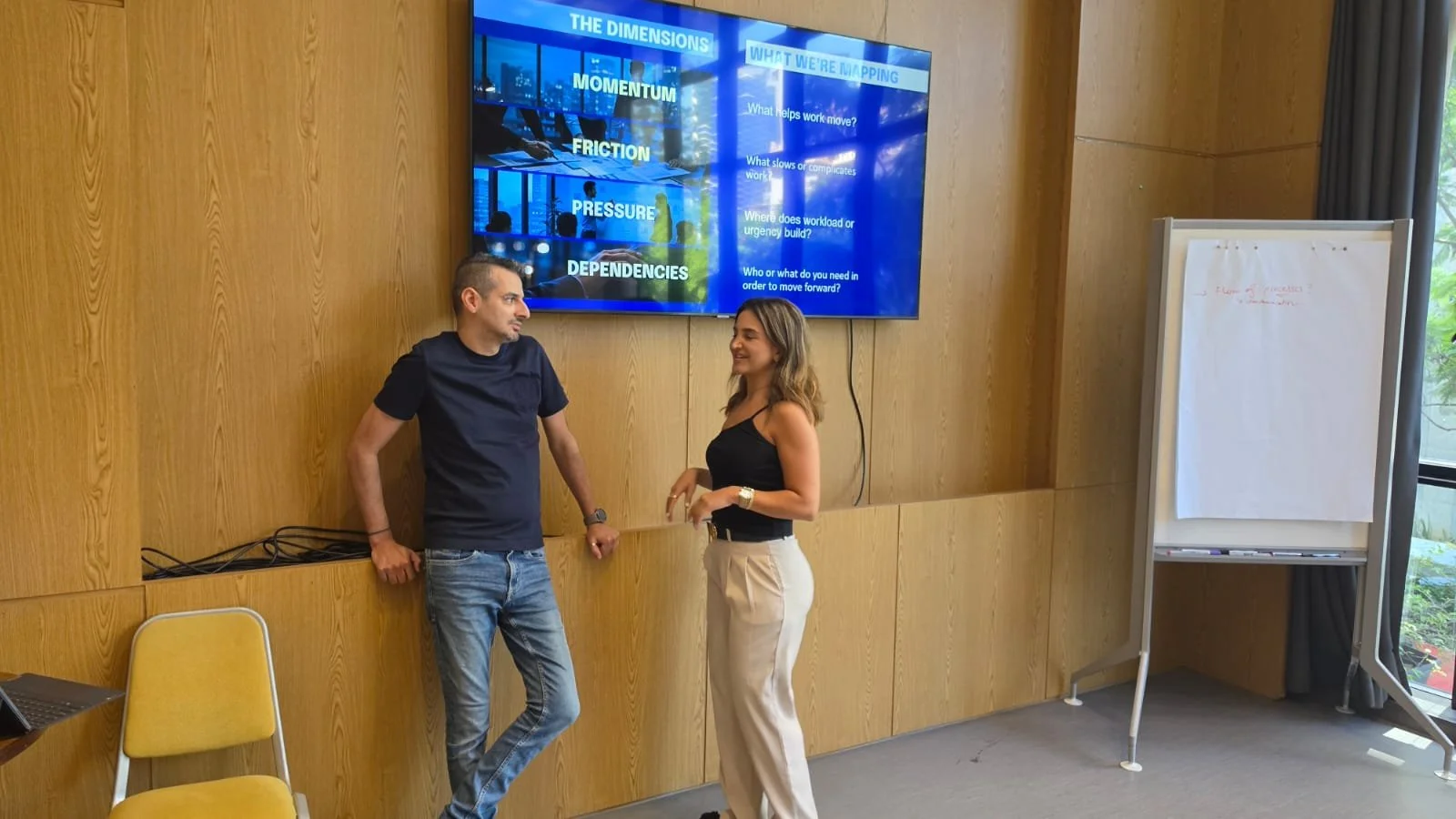
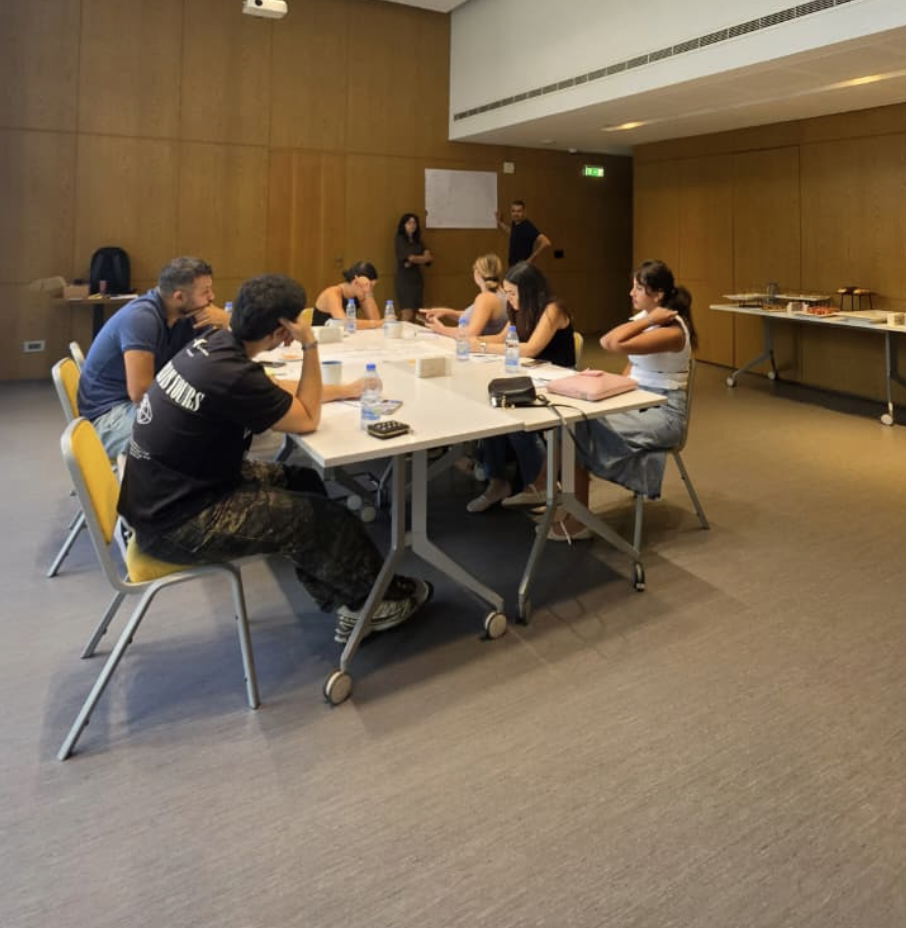
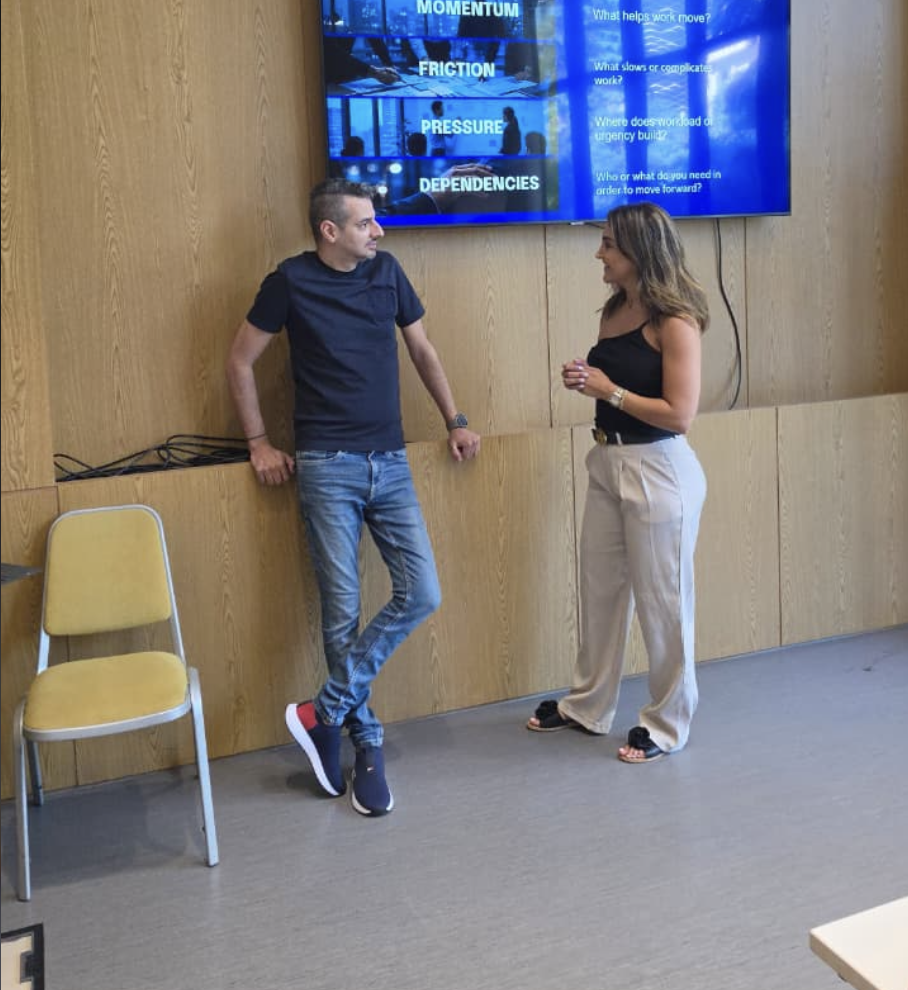
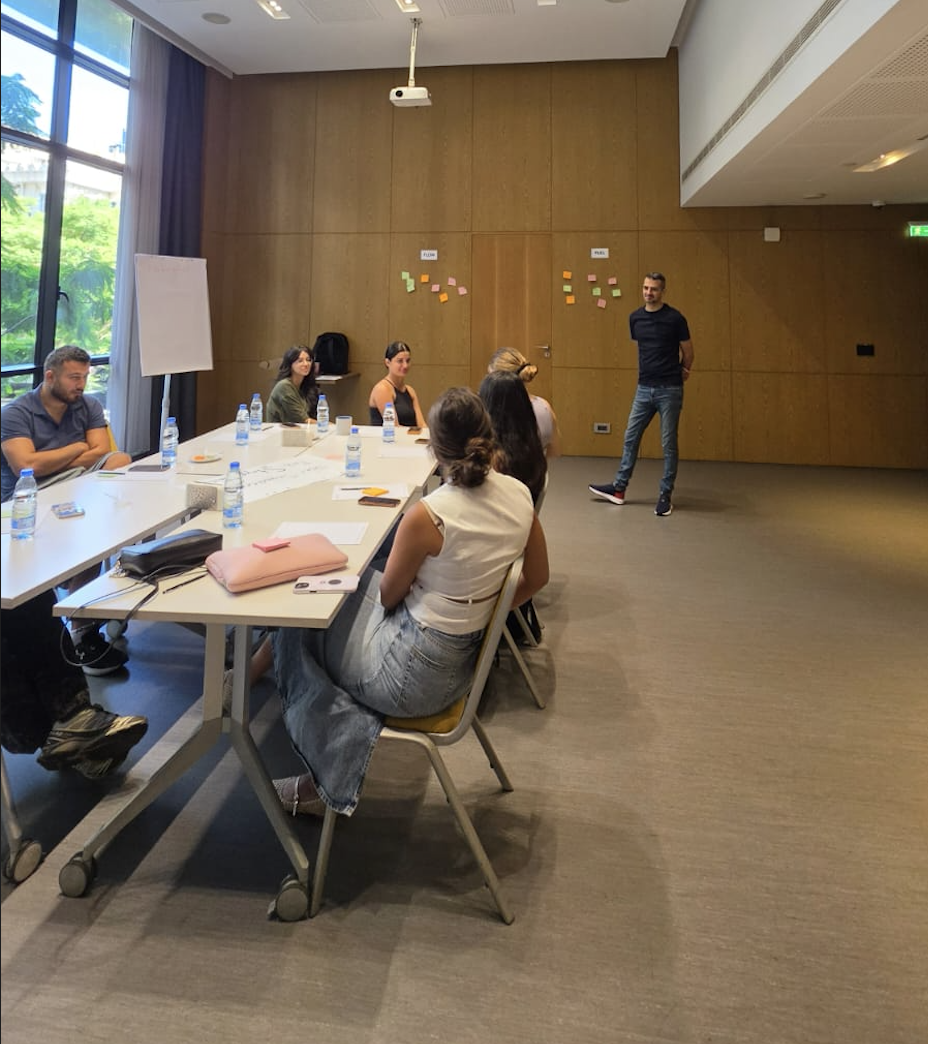
These elements were brought together into a redesigned management framework intended to create greater clarity, reduce duplication, strengthen accountability, and ensure that decisions were being taken at the appropriate organisational level. The final stage was verification. A realistic customised simulation was created around familiar organisational scenarios, competing priorities, operational developments, people issues, financial considerations, reputational risks, and unexpected events.
This allowed the new model to be observed under pressure and provided a practical way to identify any remaining gaps before the structure was fully embedded.

KEY AREAS OF SUPPORT
STRATEGIC OUTCOME
SMEX was provided with a comprehensive Organisational Design Framework that translated structural recommendations into practical tools for everyday management.
The framework included a detailed handbook, updated organisational chart, management team RACIs and Charters, function and role mandates, updated job descriptions, and a phased implementation plan with clearly defined success metrics and scheduled revision points. Importantly, the new structure was not treated as static. The implementation approach built in opportunities to review how the model was functioning, assess progress against agreed indicators, and make adjustments as the organisation evolved.
The final management simulation provided an additional layer of validation, allowing SMEX to test the redesigned architecture in practice before fully embedding it. The result was not simply a new organisational chart, but a complete management operating framework designed to clarify structure, strengthen accountability, improve decision-making, and support SMEX through implementation and beyond.